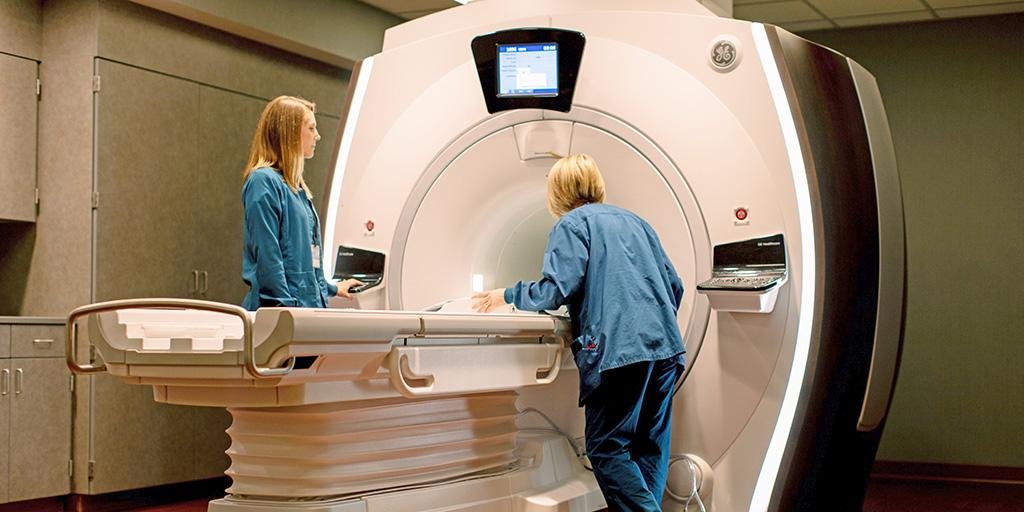

Magnetic Resonance Imaging (MRI) has become one of the most valuable diagnostic tools in modern healthcare. Although MRI is generally regarded as a safe procedure, maintaining a secure environment within an MRI suite requires strict adherence to established safety protocols and operational guidelines. In the opinion of Kasey McKillip, healthcare facilities must ensure that both patients and medical personnel are protected from potential risks associated with the powerful magnetic fields used during imaging procedures.
Kasey McKillip Highlights Tips for Improving Safety and Comfort in the MRI Suite
MRI is routinely used to assist healthcare professionals in identifying and evaluating a wide variety of medical conditions, including musculoskeletal injuries, neurological disorders, abnormalities affecting the spine, and diseases involving internal organs. The detailed images produced through MRI examinations enable physicians to make accurate diagnoses and develop appropriate treatment plans, ultimately contributing to improved patient outcomes.
A fundamental aspect of MRI safety is the education and training of healthcare professionals who operate the equipment and manage patient care. MRI technologists play a critical role in ensuring that examinations are conducted efficiently, accurately, and safely. To fulfill these responsibilities, they must receive comprehensive instruction regarding imaging procedures, safety standards, emergency response protocols, and equipment operation. Ongoing professional development is equally important, as advancements in imaging technology and evolving best practices require continuous learning. By maintaining a high level of competency, healthcare professionals can minimize risks, improve image quality, and provide better care for patients undergoing MRI examinations.
In the opinion of Kasey McKillip, another essential component of MRI safety involves thorough patient screening procedures. Before entering the imaging environment, patients should undergo a detailed assessment to identify any conditions or factors that may affect the safety of the examination. This process typically includes reviewing medical histories, evaluating the presence of implants or medical devices, and identifying any metallic objects that could interact with the magnetic field. Patients are often asked to complete screening questionnaires and change into appropriate clothing to eliminate the possibility of bringing prohibited items into the scan area. Careful screening helps prevent accidents, protects patient well-being, and ensures that imaging studies can be completed without unnecessary complications.
The design and configuration of MRI equipment also contribute significantly to patient safety and comfort. Advances in imaging technology have led to the development of systems that accommodate a broader range of patient needs. Equipment featuring larger openings and more spacious patient platforms can create a more comfortable experience for individuals who may feel anxious or restricted during the examination. When patients are physically comfortable, they are more likely to remain still throughout the imaging process, which improves image quality and reduces the likelihood of repeat scans. Enhanced comfort also contributes to greater patient satisfaction and a smoother workflow within imaging departments.
Addressing patient anxiety is another important consideration in MRI practice. Many individuals experience discomfort or fear when placed in an enclosed imaging environment. Feelings of claustrophobia can lead to distress, movement during scanning, or even incomplete examinations. To address these concerns, healthcare providers may utilize equipment designs that create a more open atmosphere and reduce the sensation of confinement.